
So What Is Sex Therapy, Actually?
Sex therapy is, first and foremost, therapy. It's talk therapy, and we may be practicing embodiment skills, but there isn't any kind of sexual activity or sexual stuff happening in session. What we are doing is focusing on someone's sexuality and the ways that their sexuality are showing up in their ability to be present in their body or in their relationship. That may mean that they want to have more sex or less sex or different kinds of sex, or they don't understand anything about sex and want to understand how to be more in their body and make more heart-centered choices around what they want to be doing.
The field of sex therapy is super broad, but it can be as specific as the client needs it to be. That may mean we're working on a client's unique biology related to sexuality — what is your combination of stress chemicals like? What are your ability factors, or disability and chronic illness? What things are physiologically showing up in your body when it comes to sexuality, particularly with sexual dysfunction or sexual pain conditions like vaginismus, vulvodynia, and dyspareunia?
But it's also about understanding the psychology of sexuality for you. How did you come to your current understanding of what sexuality is and what it means? Is that coming from culture, your current relationship, religion, or environment? Sex therapy also explores identity, the relationships you're in, communication, safety, attachment, freedom, novelty — all of the things that go into making sexual relationships work. And it can be just as individually focused, helping you process your own experience with indoctrination around sexuality, or even sexually traumatic experiences from your past.
A lot of people think that sex therapy is just for couples or just for people having sex. But sex therapy is really for anybody — couple, polycule, individual — who wants to understand themselves, their sexuality, and the messages they received that got them to where they are now. The goal is that folks leave feeling more confident and more deserving of joy and pleasure and connection than they did when they came in.
Why Good Sex Isn't Natural (And What It Actually Takes)
Most people are operating under the myth that good sex is natural and spontaneous — that with the right person, everyone will just know how to do it. All the things we were never taught, we'll suddenly know how to do and know how to communicate. But in reality, good sex requires communication, intentionality, emotional safety, and something called interoception — being able to check in with your own body and how you feel.
Most people were never given accurate sex education, and even when they were, it almost never focused on pleasure, consent, or arousal. It focused on disease prevention and preventing negative consequences. Like Mean Girls famously put it: "don't have sex or you will get chlamydia and you will die." That's the message a lot of us grew up with. So naturally, when we're now trying to have expansive, fun, safe sexual experiences with people we care about, we're operating with all of these sex-negative messages and a whole lot of silence.
For most people, they need to learn what they want. They need to learn how to communicate that with other people, understand the difference between sexuality and eroticism, and how to be curious — not just about themselves, but about the other person. And to do that, we have to set aside the myth that you're just supposed to know, because that doesn't leave space for asking.
What one person likes isn't going to be the same as another person. And even within yourself, what worked early in a relationship shifts — your body is different over the lifespan, your relationship has history, and you want to understand what you like right now, with your body's unique physiology and chemistry. Then we figure out how to communicate that and unravel the layers of shame, performance orientation, and expectations that have been put on us. To answer: how do I, and this other person or people, have the kind of sex that actually works for us? And that isn't natural or spontaneous.
Ready to Work With a BIPOC Sex Therapist in California?
If any of this resonates, I'd love to connect. Schedule a free consultation and let's figure out what's actually going on for you.
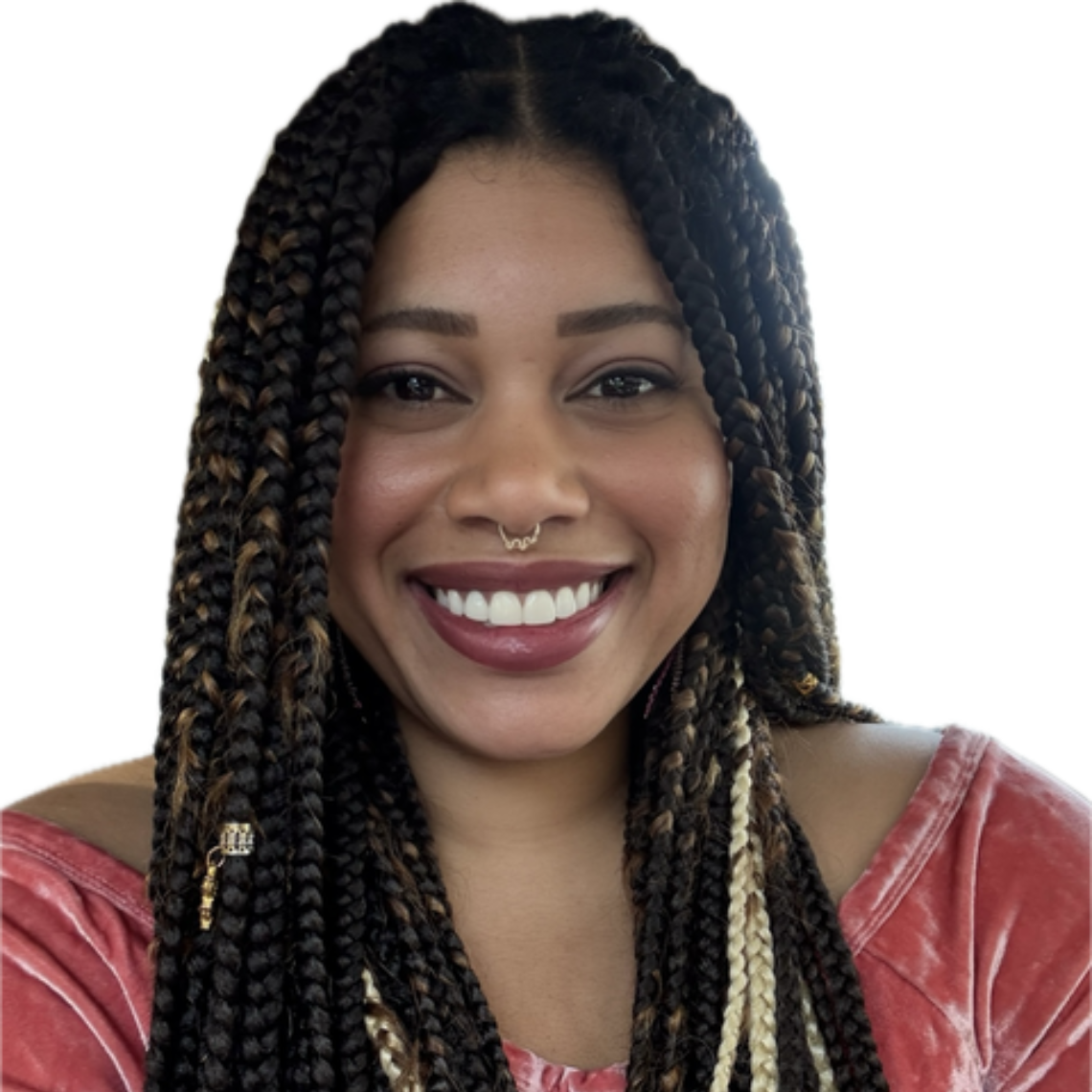
About the Author
Dominique Oster is a licensed marriage and family therapist and certified sex therapist based in Santa Cruz, CA, specializing in sex, relationships, and trauma-informed care for individuals and couples throughout California.